
Preparing for at Sea Work Travel as a Type 1 Diabetic
There are safety and health risks associated with everything we do. Some things have a high risk and some have a low risk. A cursory internet search shows many websites and institutions list five steps for risk management; 1) identify, 2) assess, 3) prioritize, 4) treat, 5) monitor. This is why we have to take driving classes and tests, watch airline safety videos, adhere to laboratory safety procedures, and health screens at the doctors. I’m going to share how, without realizing, I followed risk assessment steps to prepare for work travel on a ship. I gave a speech and wrote a protocol to help coworkers be more comfortable sailing with me, a type 1 diabetic.
Health Requirements for Previous Job
One of my previous jobs, I would live and work on a research fishing vessel for 2-3 weeks at a time. It was fun, like an adult summer camp, with bunk beds and cafeteria style meals. At the time I did this job, everyone who sailed on one of these ships was required to annually complete and turn in the following: health questionnaire, Tuberculosis test, and if asked for, provide a doctor’s note and/or additional test results.
Because I have type 1 diabetes, I always had to provide a doctor’s note with my doctor’s approval stating that I am “healthy enough to sail.” They also required my most recent Hemoglobin A1C result. The National Institute of Health describes the Hemoglobin A1C as ”… a blood test that provides information about your average levels of blood glucose, also called blood sugar, over the past 3 months.“
Welcome Aboard Meeting
I’m on the ship, sitting in the mess with all of the crew and scientists who’ve just boarded. Like the others, I’m not excited for the welcome aboard meeting that’s about to commence. I’ve sat through a couple of these and know exactly what they will say and the videos we will watch. Even though I know the drill I sit, listen and keep my eyes on the officer speaking. Some of the information we learn are the rules during meals, our muster stations during emergencies and drills, and how to find the illusive laundry room.
The meeting is coming to an end, everyone is fidgeting getting ready to bolt out of the room. Everyone wants to get back to work, setting up instruments and unpacking. Not so fast, I think, I have something to say.
Right before the end of the meeting I raise my hand. This is something I’ve kept around since elementary school, raising my hand. Even when talking with friends I raise my hand when I have something to say when someone is still talking. I want them to keep talking, and know that when they’re done, I have something to add. But in this instance on the ship, I feel like I’m back in school.
I raise my hand, wait a second to see if anyone actually notices that my hand is raised. No one does, probably because no one is looking for a raised hand. With my hand still raised I say “I have something to say.” All eyes are on me and everyone is quiet.

Welcome Aboard Meeting Speech
“I know that some of you already know this, but I have type 1 diabetes. I will be checking my blood sugar number and injecting myself throughout the day. If my blood sugar number goes low, I will most likely have a capris sun. The capris suns are for me and my low blood sugars, and no I will not be sharing them with anyone. If I start acting weird, or weirder than I normally act, please say something.” This is met with laughter. I am a weird one. “I will not be offended if you ask me to check my blood sugar number. If anyone has any questions or wants to talk, I am more than happy to. There are other supplies that I keep in my room that (insert coworker/s name) knows about and where they all are. Thanks.”
I take a deep breath, as everyone gets up and walks out of the room. Other than the officer leading the meeting, no one immediately approaches me or says anything in response. I remind myself that for me, I did the right thing. I wanted to share this, I wanted to inform everyone, I wanted to make everyone more comfortable. It just hurt that people didn’t seem to take it seriously. This must be how the officer felt during the welcome aboard meeting. Most, if not everyone in the room is here because they have to be there, not because they want to be there.
Steps to Make Sailing Easier
I was always trying to think of additional ways to give my coworkers more knowledge and ways to help them feel more comfortable sailing with me. I must be clear, this was not necessary, it was never a requirement for me to do any of this. Some could reasonably argue I did too much. I have always felt that I am a burden, not just because I have diabetes, and didn’t (and don’t) want anyone to try and make me go away. I was overcompensating for my insecurities as a human. (Don’t worry I am in therapy.)
Since I have helped write a lot of protocols for the lab and the field I thought, why not write one for diabetes and low blood sugars at sea. So, I did just that.

Sharing my Protocol
I’m sharing the protocol that I wrote and shared with my coworkers. I wrote this protocol in 2016, and rereading it now gives me feelings. Mainly how much I wish I could go back and edit this to make it better. Unfortunately for my pride, that wouldn’t be sharing the exact protocol I shared with my previous collogues.
Before you read my protocol, I want to provide additional information on low blood sugar, or hypoglycemia from the CDC and the Mayo Clinic. You can learn more by visiting the websites linked.
I have talked about low blood sugar in a previous blog post, here. If you have any medical questions or comments, please contact a trained medical professional.
Low Blood Sugar At Sea SOP
Signs and Symptoms of a low blood sugar:
- Shakiness*
- Sweating*
- Blurred vision
- Dizziness, feeling lightheaded
- Not thinking clearly*
- Feeling nervous or anxious
- Being weak
- Numbness, tingling of mouth and lips*
- Tiredness
- Headache
- Sudden hunger
- Nauseous**
- Heart beating fast
- Irritable
- Agitated
- Confused
- Lack of coordination
- Personality change; anger, sadness/crying
- Difficulty speaking
- Having seizures
- Unable to correct low on own
* common symptoms for Emily
** very common symptoms for Emily when on a ship. Feel sea sickness much more, no matter the sea condition.
Treatments for low blood sugar:
Anything with quick sugar
- capris sun
- orange juice
- candy (not chocolate)
Drinks/foods with high fat and protein take too long to break down
I always keep a box or two of capris suns and some snacks in my bunk just in case I go low while sleeping.
Sometimes I need to have a capris sun AND a snack. Capris sun to quickly get my number up and the snack (with more protein) to keep my number up.
Snack examples
- Peanut butter crackers
- pop tart
- rice crispy treat
- breakfast bar
If I don’t wake up from a normal amount of sleep:
Sometimes I will wake up very crabby and irritable and will refuse to drink a juice box. I have been told I act like a 5 year old when this happens. The best thing is to be patient with me! I will probably annoy you, but the most important thing is to make sure I get a juice. Try to make it seem like it is my idea to drink a juice, the more you force, the less likely I will be to drink it.
Anything you will need for me not waking up besides juice and snacks will be in a gray bag I always bring
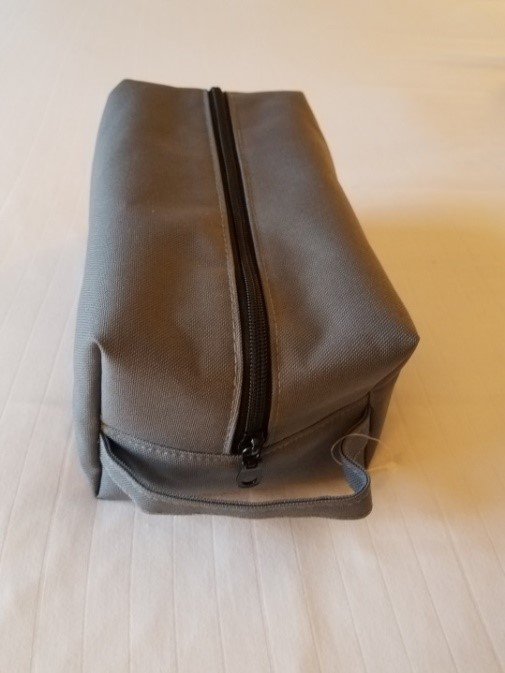
I bring a squeeze bag of icing with me on the ship. If I don’t wake up, squeeze a little bit of icing in my mouth, underneath my tongue. Wait about 5-10 minutes for the icing to kick in. If nothing happens then use my glucagon syringe (explained below).
Seizing:
If I am seizing, I have a glucagon syringe that you have to use. There are detailed instructions inside the container.
- Inject the DI water that is already in the syringe into the vial with white powder.
- With the syringe still inside the vial gently mix up the solution until everything is dissolved.
- Draw 1 mL into the syringe and inject it into my thigh.
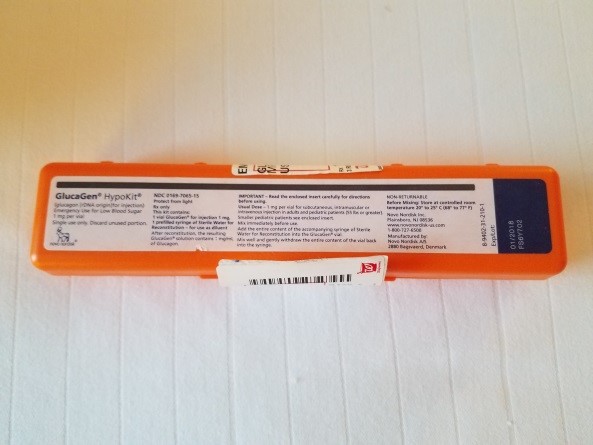
If you have any questions please ask! I will not be offended by anything you have to ask.
As I mentioned earlier I would like to edit this to make it read better. I would also revamp this protocol, if I ever were to create a new work travel protocol. It would be updated with the most current medical information and supplies (I no longer have a glucagon syringe, but something else). I would also ask my doctor to read it over and get their approval.
Another note that isn’t written in the protocol. I would tell people in person if they didn’t feel comfortable or want to use the icing, then to move straight to the glucagon syringe.
Read my disclaimer