How a Diabetic Prepares for a Solo Road Trip Across the USA
What first comes to mind when you think of road trips? For me it is the joy of the open road. Going out to escape the regular world for a while, wishing you never have to go back. Or as Lao Tzu said, “A good traveler has no fixed plans, and is not intent on arriving.”
But when you have diabetes, you must have plans and have intent in your travels.
Here are the three steps I’ve used when planning a solo (and non-solo) road trip. They help me think through my route, help answer some important questions, and ensure I have back up plans. After the steps I offer a few more tips and recommendations that have personally helped me.
Step 1: Choosing Your Route
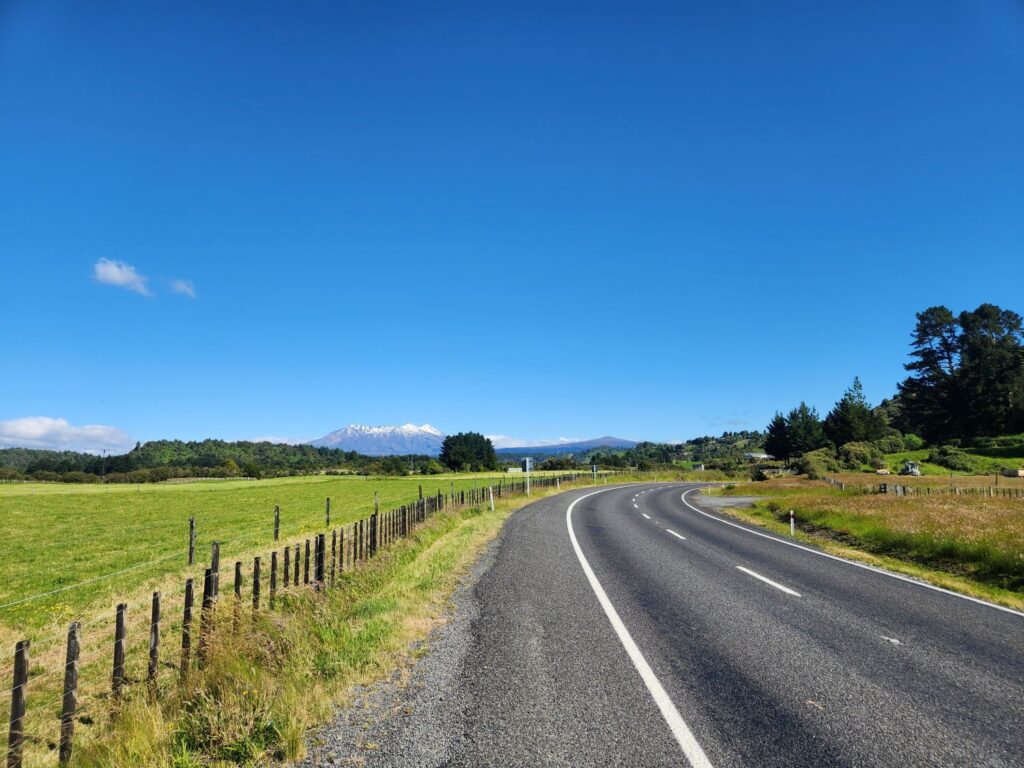
The first part of your plan, after deciding to go on a road trip, is choosing your route. Do have a specific final destination? Is this a one way or roundtrip? Where will you be going?
Once you answer those questions you can start to plan your route. A lot of times I have to narrow down my stops since I don’t have an infinite amount of time or money.
The biggest thing for a diabetic is to know where you can stop. Many things that a diabetic may need to stop for can be done just by pulling over on the side of the road, but not all of them. Look into where the nearest hospital and doctors’ office is, just in case.
If this is your first solo road trip or you are new to road trips, I would personally recommend you stick to larger cities and major highways. That way you are never far from food, gas, doctors, and pharmacies.
Step 2: How Many Days of Driving
Now that you have your planned stops you have to see how long it will take to complete. One of the most important things is knowing how many hours each day you’re willing to drive. I can speak from experience that driving over seven hours a day is extremely tiring! (Maybe if I was younger it would be easier to drive longer, but I am not.) And if you’re driving by yourself, you cannot pass the driving on to someone else and take a break.
If your planned stops are farther than your daily driving time then you will need to make a pit stop somewhere in between. When deciding whether or not to make a pit stop, I would personally recommend erring on the side of caution and planning more stops than you might think necessary.
You don’t want to have to drive alone, or with others, when you’re too tired. That isn’t safe. The more stops you make the more you can move around, stretch, and explore.
Step 3: What do I Pack?
I have already written a blog post about what to pack for a traveling diabetic, you can read that here.
All of that blog post is still true, but there are a few other pointers I can share for a solo road trip for a diabetic. The first is to always have glucose tablets, juice, or whatever your glucose of choice is within arm’s reach. If you start to go low while driving, you need to be able to quickly and easily consume some glucose.
You need to keep you insulin cool. I do this with a cooler bag, a sealable baggie for my insulin, and ice packs. I keep my insulin in sealed baggies so that it can’t get wet when the ice packs start to melt.
Extra Credit: Find Healthy Eateries Along the Way
Driving across the country tends to mean a lot of unhealthy eating options. There’s always fast-food options, no matter what small or large town you pass through. If you feel up for it, I would try to find some healthy food options along the way.
Stop at a grocery store and get a premade salad and some fruit. Pack an extra cooler bag to be able to drive with some healthy snacks you packed or have left overs from the day before.
This does mean more planning and preparation, but it’s better for you in the long run.
More Tips and Recommendations
Trying to Plan for the Unexpected
We all know that plans can, and a lot of times do, change. But there are a few things to always think about and investigate if/when plans change. What do you do if you get a flat tire, your car breaks down, they double-booked the hotel and you no longer have a room?
When you are driving with your insulin that needs to be kept cold. My tip is to find a place to stay with a fridge and freezer, so you can keep you insulin cold and refreeze your ice packs.
Driving Tips for Low and High Blood Sugars
If you have a continuous glucose monitor (CGM) I have a driving tip for you. Set your low blood sugar alarm of to a higher number than normal. That way you give yourself more time to eat and have the glucose kick in before your number goes too low and you have to stop driving and wait until your blood sugar goes back up.
I would also recommend lowering your high blood sugar alarm on your CGM for the same reason. This will give you more time to have your insulin pump give you more insulin OR find a safe place to stop and inject yourself.
Where are all the Gas Stations and Doctors?
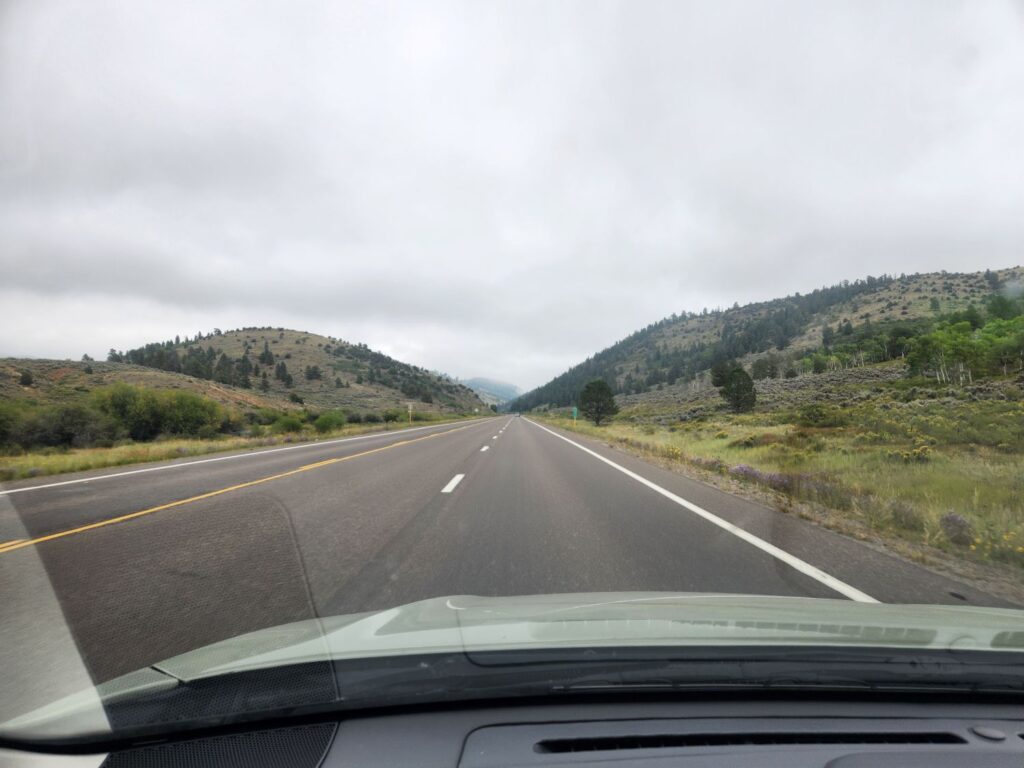
What happens if you didn’t actually pack enough glucose and need to buy more? Where will you buy some? Is there going to be a gas station, restaurant, or grocery store nearby? There are some stretches of road that have nothing for over an hour.
The most common sight along many roads and highways are gas stations. But what if you need a doctor or a hospital? Hopefully you don’t need this during a road trip (or at any time), but in the off chance you do, where is the nearest one? If gas stations can sometimes be scarce, hospitals and doctors’ offices are even more hard to find. This is one of my travel tips for a diabetic and you can read all nine of my travel tips here.
Enjoy the Ride
There’s a lot of planning and preparation and driving that goes along with a solo cross country road trip. Don’t forget to have a good time! You will get to see so much of the country that so many people haven’t seen. You’re (hopefully) lucky to be able to go on a type of trip like this.
Stop at the places you want to stop at, sleep in as much as you want, listen to whatever music, audiobooks, and podcasts you want. You make the decisions because you aren’t at the whim of anyone else. Take your time, take as many breaks as you need, try not to be constantly drinking caffeine, and enjoy the ride! As Lao Tzu also said, “A journey of a thousand miles must begin with one step.”