
Sailor Tattoos I Could Get – Thanks To My Sea Travels
Tattoos are increasingly popular in the United States every year. They’ve meant many things to many people over the years. The tattoo you get usually means something to you, and different cultures and communities have unique tattoos that are meaningful to them. No matter what the tattoo and where you get one, there are always health and safety risks involved. Type 1 Diabetics can get a tattoo as long as they are safe about it.
For those in the Navy there are some specific tattoos that have a history and were and are significant. These tattoos hold a connection to the sea. In my own experience, I have noticed that these specific tattoos that showcase maritime culture have made their way into other maritime occupations. With all of my time at sea I have spoken to some crew members who have gotten some of these tattoos. It got me thinking, how many of these tattoos could I get?
Sailor Tattoos
There are plenty of websites that describe these sailor tattoos and their meanings. Here are a few to check out and learn more information: Military.com, Naval Tattoo History, and Better Boat. I have so much respect for the veterans and current naval personnel that spend so much of their life at sea. I have been at sea a lot, but not compared to those in the Navy or working for years on a ship crew.
With all of my sea traveling, I would be able to get the following sailor tattoos: at least 5 swallows, a fully rigged ship, an anchor, a shellback turtle, a golden dragon, and a hula girl.
I don’t actually think I will ever get any of these tattoos, but it was a fun thing to look up. And it blows my mind that I have been on a boat for this long and traveled that far! I have to see how much further I can go.
Sailor Tattoos I Could Get
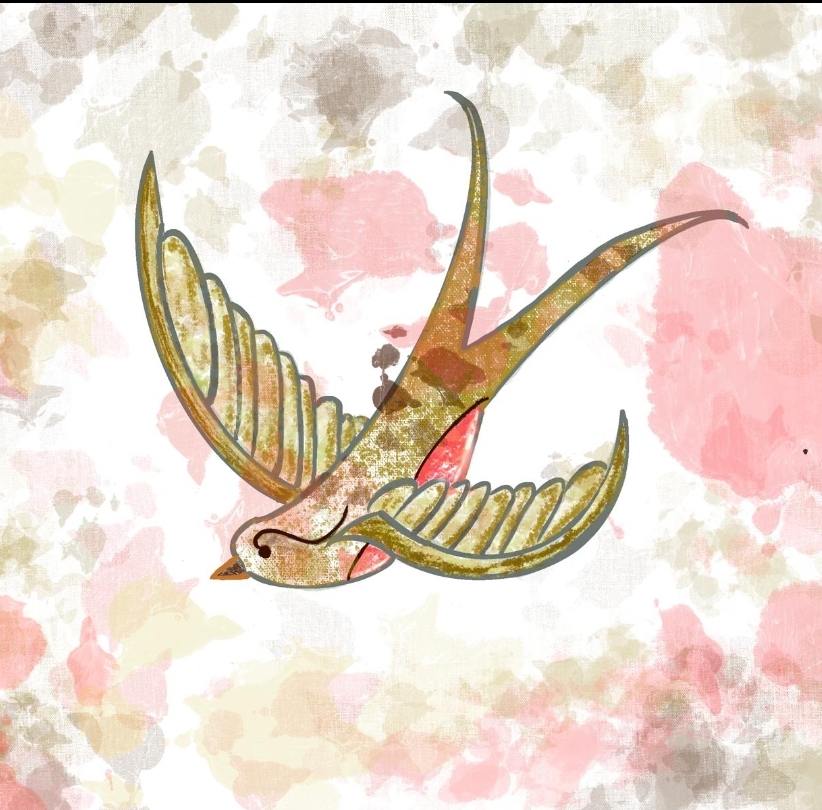
Swallows – One swallow indicates every 5,000 nautical miles traveled (approx. 5,754 regular miles). The circumference of the Earth is 21, 639 nautical miles, which is just over 4 swallows.
Fully Rigged Ship – Means that a sailor has been around Cape Horn. These waters around the southern tip of South America tend to be stormy and rough.
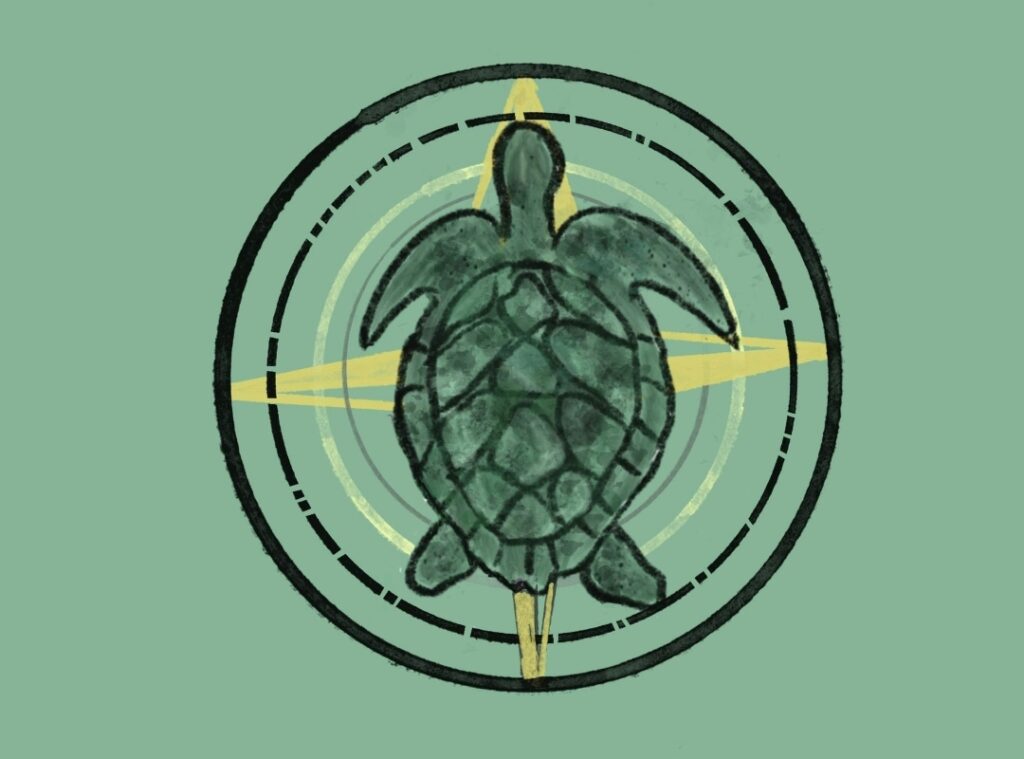
Shellback Turtle – People can wear this tattoo after crossing the equator, or becoming initiated into King Neptune’s Court. Another tattoo that signifies the same thing would be getting a tattoo of King Neptune. (When I crossed the equator, I didn’t get a tattoo, but I did get a mohawk)
Anchor – One anchor indicates that someone has sailed across the Atlantic Ocean, or has been a member of the merchant marine (a civilian fleet of ships that carry military cargo).
Hula Girl – You can get this tattoo if you have been to Hawaii.
Golden Dragon – When you have crossed the International Date Line you can wear the golden dragon.

My At Sea Travels
My at sea traveling began when I was in college. I participated in the Semester at Sea program where we literally sailed around the world and took classes. While we sailed, we had class every day. When we got to port, we would explore the city/country. We would sometimes have to go to specific locations while in port that were assigned to us for class. There were definitely students that actually went to learn and see what the world had to teach them. And then there were other students who used it as a party boat. In my experience, that is the same as any college.
After college graduation I went out to sea again, but this time for a job. I was on an Antarctic Research Cruise leaving from and coming back to Punta Arenas, Chile. (Don’t worry, I’ll be posting and sharing photos from this trip in the future). This was what got me to fall in love with working on a ship. Semester at Sea wasn’t working (I mean, you could argue that school is work), but this cruise brought me so much joy. That could have been because I was a young recent graduate who was lucky enough to go to Antarctica!
That cruise opened the door to getting a job as a Fish Biologist where I went on many more research cruises. All of these cruises were along the California coast, and sometimes along the entire west coast of the U.S. You would think that I wouldn’t keep it up, considering I get sea sick, but I still went. I don’t know what it was about it. When I was out there, so far that I couldn’t see land, I would get into my own head and escape. I don’t know if that’s how it was for everyone, but it was for me. There were some cruises that were better than others. The people you sail with can make or break the cruise. The amount of work and being understaffed can make or break the cruise. But when you’re able to get away and escape, it was magical.
The ocean has been a magical place for so many people over the years. I hope that if you are one of those people that love the sea, you have a chance to experience it. In whatever way you can.
Tattoo Safety for a Type 1 Diabetic
There’re standard safety procedures that everyone should follow when getting a tattoo.
- Making sure the tattoo artist and shop use clean, unused supplies.
- Clean and sterile work stations.
- Use safe ink that the client (you) isn’t allergic to.
There are three extra steps that a type 1 diabetics should take when getting a tattoo. Please read my disclaimer and contact your doctor if you have any questions.
- Have control and maintain your blood sugar levels. It’s always important to keep your blood sugar numbers in check. It’s even more important when you are getting a tattoo. If you have high blood sugar numbers, or hyperglycemia, it can prolong healing times. You also want to check your blood sugar number multiple times while you are getting your tattoo. You want to make sure you don’t go too low or too high during. Let your tattoo artist know ahead of time that you will be taking breaks during the tattoo.
- Tattoo Placement. Everyone wants to get a tattoo in the right place. There is an extra consideration for a type 1 diabetic. You’ll want to avoid putting a tattoo in the same area that you inject insulin/insulin pump sites. You might want to consider not putting them where you put your continuous glucose monitor. Avoid body parts with poor circulation, like your feet and legs. “About half of all people with diabetes have some form of nerve damage” says the ADA. Toes, feet, and legs are usually the body parts that suffer from nerve damage.
- Prevent Skin Infections. Type 1 diabetics need to prevent skin infections whenever they can. You want to make sure to follow the cleaning and aftercare instructions. Especially if you become hyperglycemic, this can prolong healing and increase your chance of infection.