What it’s like Playing with a Diabetic D&D Character
Now that I’ve played a diabetic D&D character, I can compare what it’s like to being diabetic in real life and what it’s like playing a character with diabetes. To get some outside perspective, I asked the DM and two other players what it was like to play with a diabetic D&D character. There are some similarities, differences, and some surprises I learned along the way.
My Opening Feelings
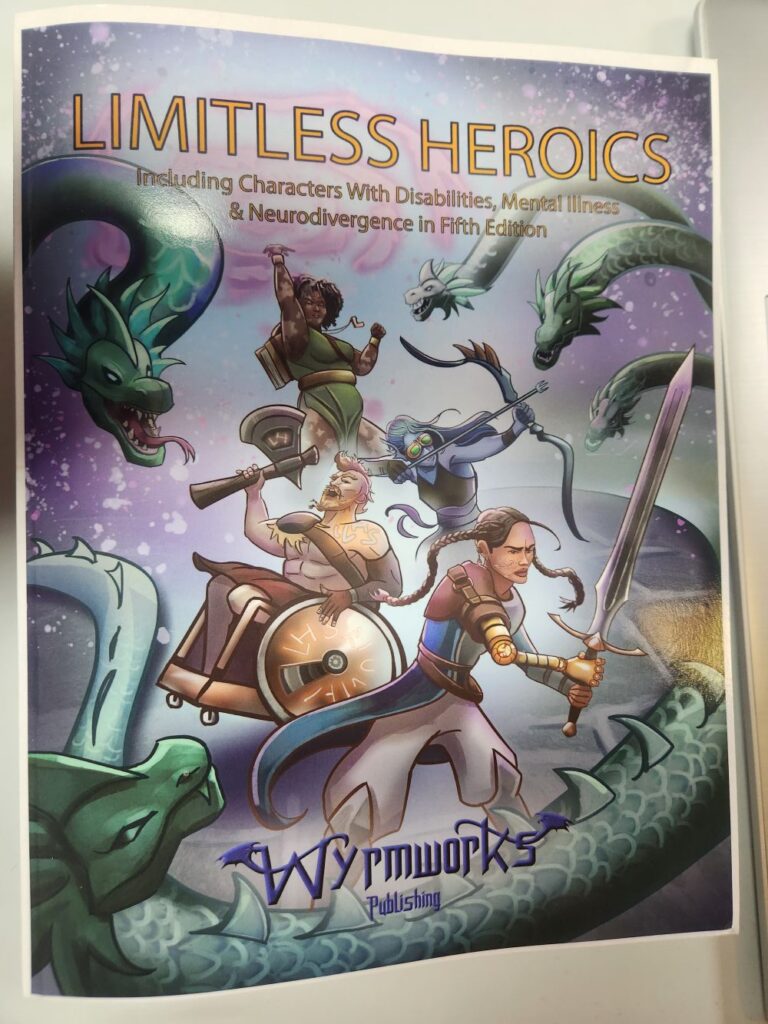
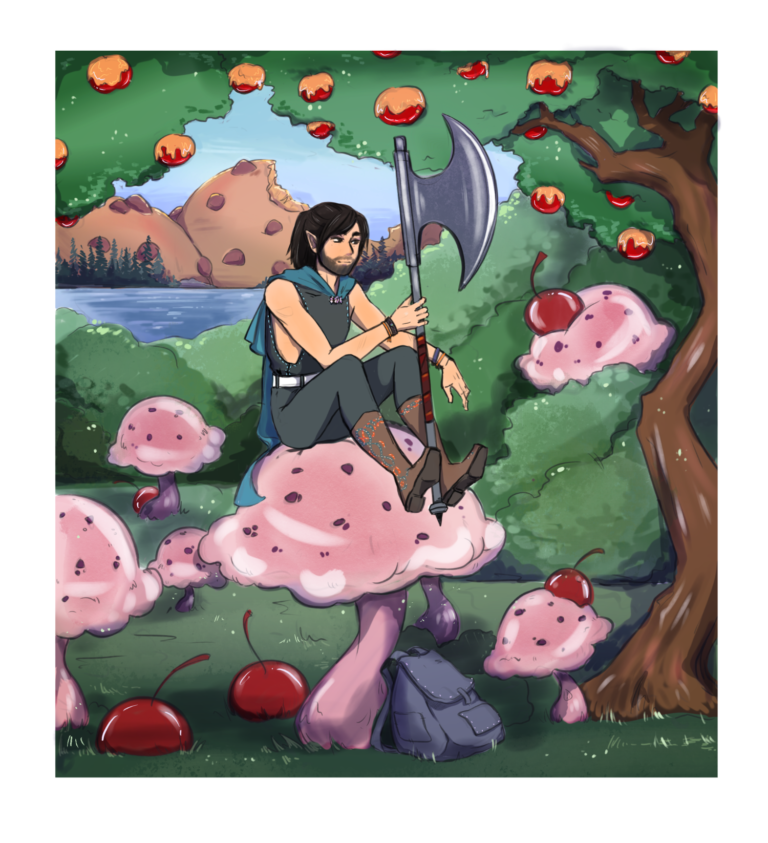
It was fun to play a diabetic D&D character. Recently I learned that you could add a disability to your D&D character. When I first learned this I didn’t want to play a character with diabetes. I have to deal with diabetes in real life, why would I want to give my fantasy character the same disability that I do? I use D&D to escape the real-world, and play in a fantastical world full of magic and silliness. But I’ve changed my mind.
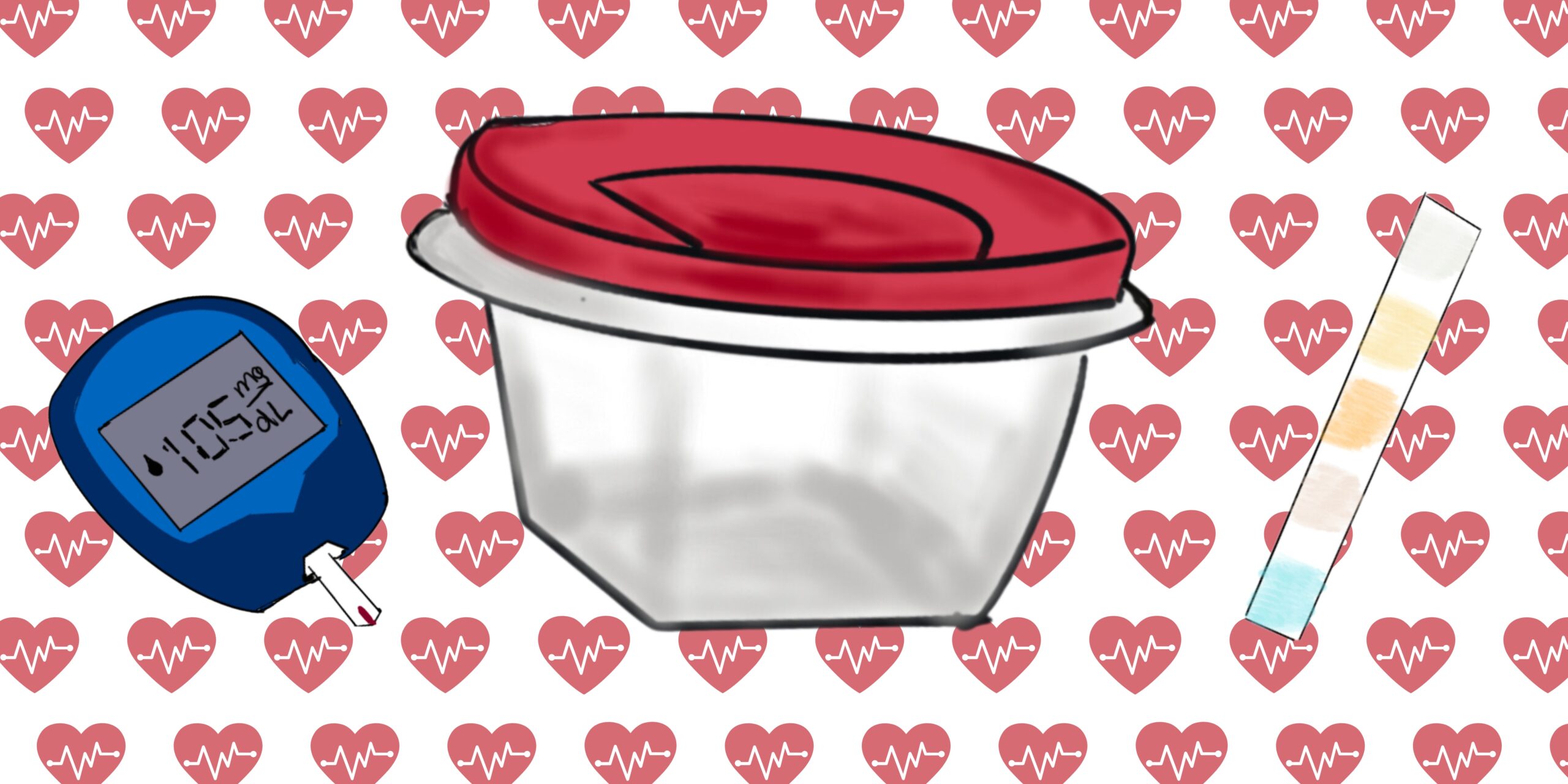
Playing a diabetic character is much easier than being one in real life. In game you don’t have to deal with constantly checking your blood sugar number. You only roll to see if your blood sugar goes too high or too low after very specific actions. The annoyance of injections and paying exorbitant prices for insulin only happens in real life, not in D&D.
The fact that playing a diabetic D&D character was easy, made it more fun than I expected it to be. I was expecting it to be so much extra, like it is in real life, but it wasn’t.

The DM’s Feelings
Our DM didn’t think he did a good enough job with Pip (my diabetic character) during this campaign. From the start the DM said he wasn’t going to learn any of the rules for a character with diabetes, and he didn’t. Even though it was all on me, he did say, “I didn’t feel comfortable putting it all on you.” (At least he felt bad about it.)
Like me, he thought playing Pip would have been better in a longer campaign that included more traveling between towns. Since this campaign was short, it didn’t give anyone much time to fully grasp playing with a character with diabetes.
The DM likes the idea of having a character with diabetes, or a character with a different disability. He said, “it creates more story opportunities.” This makes sense for him, as he loves writing stories and coming up with homebrew campaigns. He also said, “I don’t want it to be a handicap, but it is a hindrance.”
Flaws in D&D
One of the things that you do when you create any D&D character is come up with at least one “flaw”. D&D flaws tend to be things such as having to steal anything shiny, picking a fight over talking it out, or fear of heights. Flaws (in and out of game) have nothing to do with a disability a person/character has. A character’s flaws can make seemingly straightforward situations more complicated, and can give a character room for growth. I’m giving some backstory for what a “flaw” is in D&D for more context on something else the DM said.

Is Diabetes a Flaw?
The DM made a comment that he liked players to have a disability because it gave him another flaw to use. I know what he meant, but hearing that diabetes was a character flaw really hurt. I expressed my feelings with him immediately and said that diabetes (or any disability) isn’t a flaw.
After the game I thought of a better way to express my thoughts (because it always happens that way) – diabetes isn’t a flaw to be exploited, it’s a difference in a person that the biases of society have structured as a disability. (Stay tuned for future blog posts on What is a Disability?)
The Rogue’s Feelings
She didn’t register that I was playing a diabetic character until I had to roll a dice to see if Pip would go hypoglycemic. “Sometimes it seemed like it would interrupt the story, but that’s what it’s supposed to do,” she said. Having to pause the game to roll a hypo- or hyperglycemic check slowed down the momentum of the game. If she didn’t have experience of me having to deal with diabetes in real life, she would have found stopping the game for diabetes frustrating.
As she spoke about this it reminded her of how diabetes interrupts my real-world life. She gave the example of how we went hiking once and we had to stop so I could have some glucose and wait until my blood sugar number went up. As she puts it, “Yeah, sometimes it’s an inconvenience, but I assume for you, it’s an even bigger inconvenience.”
She made a comment about how I would have to keep reminding the DM about Pip’s diabetes. As a real-world diabetic, playing Pip, the in-game diabetic, it was the same. I/Pip had to keep reminding non-disabled people that we had to pause to check Pip’s diabetes.
For her, it was interesting to introduce a disability into a fantastical story. It made her think about other people that have to deal with these situations. It’s a good way to build empathy. You assume that everyone is healthy, and in game a common “affliction” can be solved with a long rest or a healing potion, but that’s not the case for this.
The Fighter’s Feelings
She said that a character with diabetes is just one more factor to take into account when you’re playing. It’s something you have to include and think about how your character would react to it.
Just like many things in a D&D game, the real person knows what’s happening, but the character you’re playing doesn’t always know what’s happening. She said, “As a real person I know all of the things, and would immediately be like ‘quick, have sugar’.” But this isn’t something her character would know about. This biggest challenge for her was to figure out how her character would react to Pip when he was hypo- or hyperglycemic.
My Closing Feelings
I was surprised to hear that two of the people I played with brought up that my character with diabetes to be a frustration or flaw. These are people who love and care about me, so although they absolutely didn’t mean to hurt me in any way, what they said was definitely unexpected.
It gives me a lot to think about. How does my diabetes come across to others in real life? When it comes to going on real-world adventures, I choose who I travel with carefully. I will not travel with some people because I don’t trust them to help in the case of a diabetic emergency. There are many other reasons why I don’t travel with some people, but diabetes is one of them.
I would play another diabetic character in the future, but it would also be fun to play a character with a disability that I don’t have in real life. I’m also curious how someone in real life who doesn’t have diabetes would handle playing a diabetic D&D character. Now I have to convince someone without diabetes to play a diabetic D&D character (maniacal laughter – Muahahahaha). Wish me luck!