CGM Incident in Iceland with my Brother
Isn’t it great that we have all of this new technology to make our lives easier? Like the continuous glucose monitor (CGM) and how it helps diabetics manage their blood sugar numbers. They make our lives easier, unless they decide not to work properly. It’s good to periodically be reminded that sometimes we need to double-check our fancy technology.
Traveling to Iceland
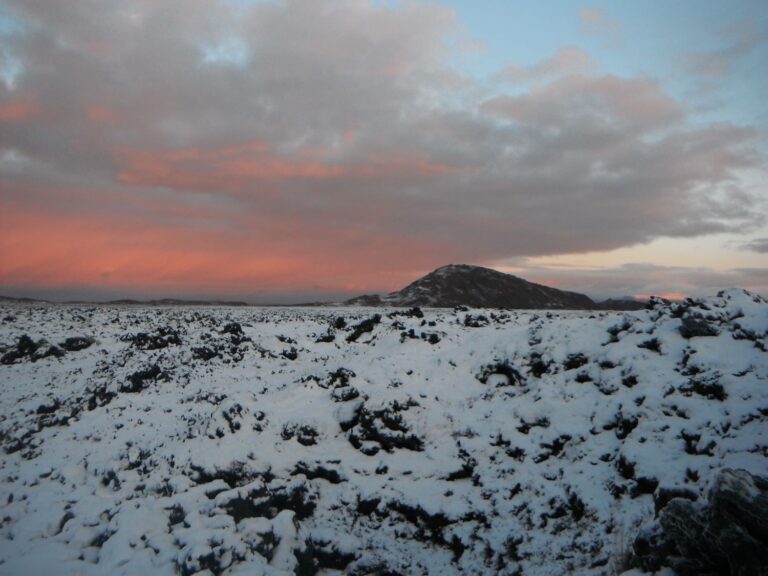
My brother and I were in Iceland in 2015 in the late fall. It was so beautiful, cold and everything was covered in snow. I was loving it! Read more about this trip here, when my blood sugar went too low.
At the time I was living in southern California and my body (and my CGM) were not used to freezing temperatures. I like cold weather more than warm weather, so I was excited to be going to Iceland in the late fall. What I didn’t realize is that my CGM was not ready for these temperatures.
Getting Ready for Bed
My brother and I had been in Iceland for a few days and we had checked into our hotel (it might have been an Airbnb, but I can’t remember at this point) earlier that day. We made it back to our room a little before 9 pm, and were getting ready for bed. I was wearing my CGM for this whole time I had been in Iceland and so far, hadn’t run into any issues (that I knew of).
While getting ready for bed, my CGM said I was high. Without double checking, I injected myself with a couple units of insulin to bring it down a little before bed. Shortly after I injected myself, I was sitting on the bed and started to feel like my blood sugar number was NOT high.
Oh no! My Blood Sugar is Low
I double checked my blood sugar number with my glucose meter and it turns out my blood sugar was 80. And I had just injected a couple of units to bring down what I thought was a high number. I had a few glucose tablets but didn’t have enough glucose/food to bring my blood sugar up enough to account for the insulin I just injected.
At the time of this trip, you had to calibrate your CGM with glucose readings at least twice a day. I had been doing this consistently and was not due for another calibration for a few hours. After this I immediately recalibrated my CGM with the 80 my blood sugar actually was.
Going to Get Glucose Alone
I told my brother what was going on and he got mad at my CGM with me. I decided that I needed to walk to a grocery store to get a sandwich and some more sugary snacks. Because my brother didn’t want to go with me, I went by myself.
At the time I was not mad at him for this. Now I know that I should have been insistent that he come with me in case of an emergency. I wish he had come with me to help keep me safe.

Finally Getting Some Extra Glucose
Luckily for me there were not any issues with walking a short distance to the grocery store and back. They were still open, thank goodness, and I got a premade sandwich, and some other glucose-filled snacks. I ate the sandwich as I walked back to the hotel.
Once back at the hotel, my brother and I talked for a little bit about my CGM not working well. We both vowed to keep an eye on it in the future. Learn more about another time when my CGM told me I was high when I was actually low at the following blog post: Cross-Country Skiing in Banff – Don’t Freeze the Insulin!
CGM During the Rest of the Trip
For the rest of the trip, I was keeping a close eye on my blood sugar number and what my CGM was reading. I decided to start calibrating my CGM more than twice a day to help prevent any more incorrect readings in the future.
I did not have any other CGM reading incidents for the rest of the trip. This was the first time I understood why CGM companies tell you to always double check your blood sugar number before making treatment decisions.
I know that the technology has gotten better since this trip, which is good, but please follow your CGM guidelines and safety information. I am not a doctor, and I have nothing to do with any CGM company, but I want all of you to be safe. This is just my personal experience about what happened. Read my disclaimer here.

How This Changed my Travel with a CGM
Ever since this trip, I have always been wary about believing CGM readings when I’m in freezing temperatures. The Children’s Hospital of Philadelphia recommends keeping your CGM (and pump) above 40 degrees F (4.5 degree C) or your CGM receiver might not work. Learn more about their recommendations here.
CGMs do make life easier, and I’m glad that I wear one most of the time. I just know to take my time and don’t make any decisions until I check in with my body to see if my body feels low, high, or within range. Make sure you’re careful and you travel with someone who will go with you to get glucose if/when you need it (unlike my brother).