
Getting Seasick While Kayaking in San Diego
After a decade of having a job that required me to live and work on a ship for weeks at a time, I learned a few things. One of the main things I learned was that going low makes the symptoms of seasickness so much worse. Because of this, I tried very hard to never have low blood sugar while on a boat. Even with all of my effort, I have gone low at sea multiple times. And it has never been fun.
Planning a Trip to San Diego
My partner and I planned a quick trip to San Diego in the summer of 2026. We were going to try and see the sights and meet up with some of my friends while we were there. One of the things we wanted to do was go ocean kayaking. Because we’re planners, we rented kayaks ahead of time (always good to be prepared).
My partner loves kayaking and being on the water, and so do I! We’re such a good match. Because I knew we would be out on the water for over an hour I brought my small waterproof bag. This way I could pack some glucose tablets, water, and my insulin without fear that the ocean would get it wet.
An Angry Ocean
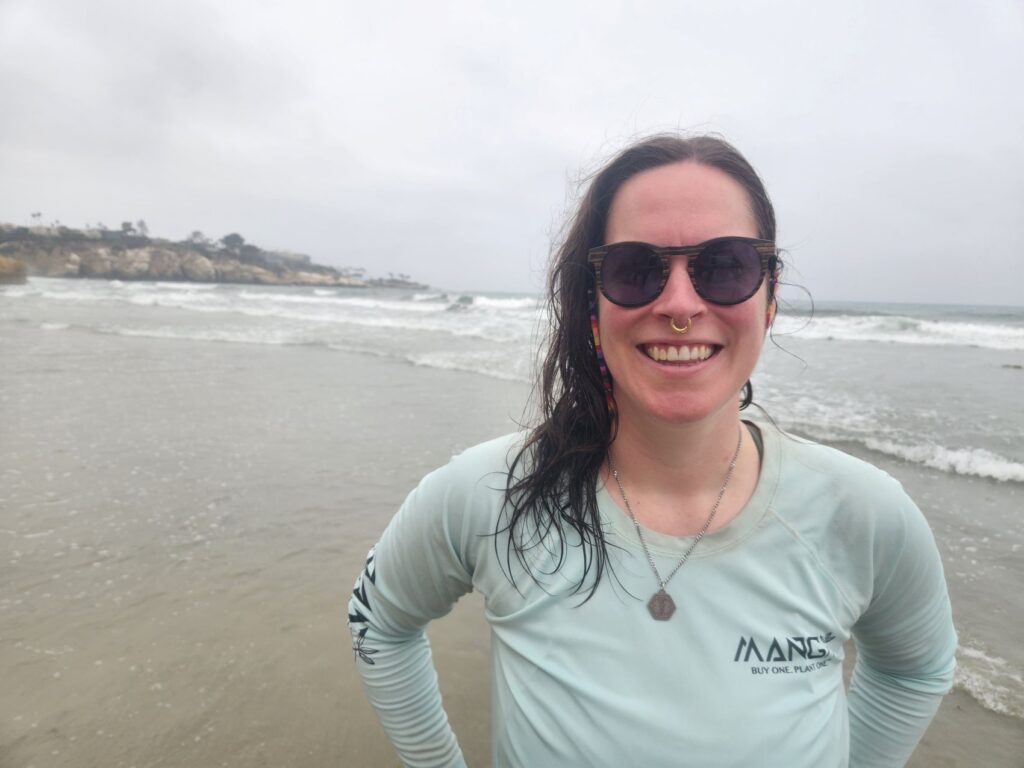
We chose a weekday morning with hopes that it would be less crowded. As San Diego is a very popular summer vacation destination, we still knew there would be plenty of other people in the water and on the beach. But we didn’t expect the ocean to be so surge-y and wavy. It was going to be tough getting our kayaks out past the large crashing waves.
We were lucky enough to have some help. When you rent a kayak the people who work for the company will help you get out past the waves. They helped us stay perpendicular to the waves and pushed us out until it was an ideal time to start paddling on our own. We both got out without any issues. Phew!
Diabetes on a Kayak
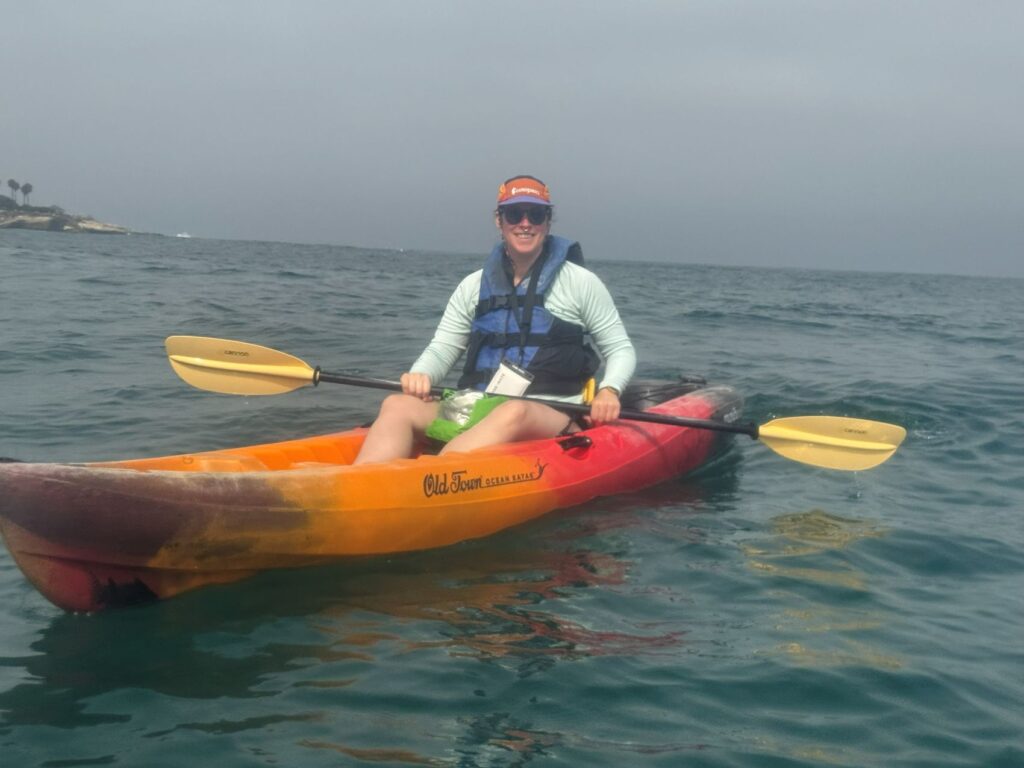
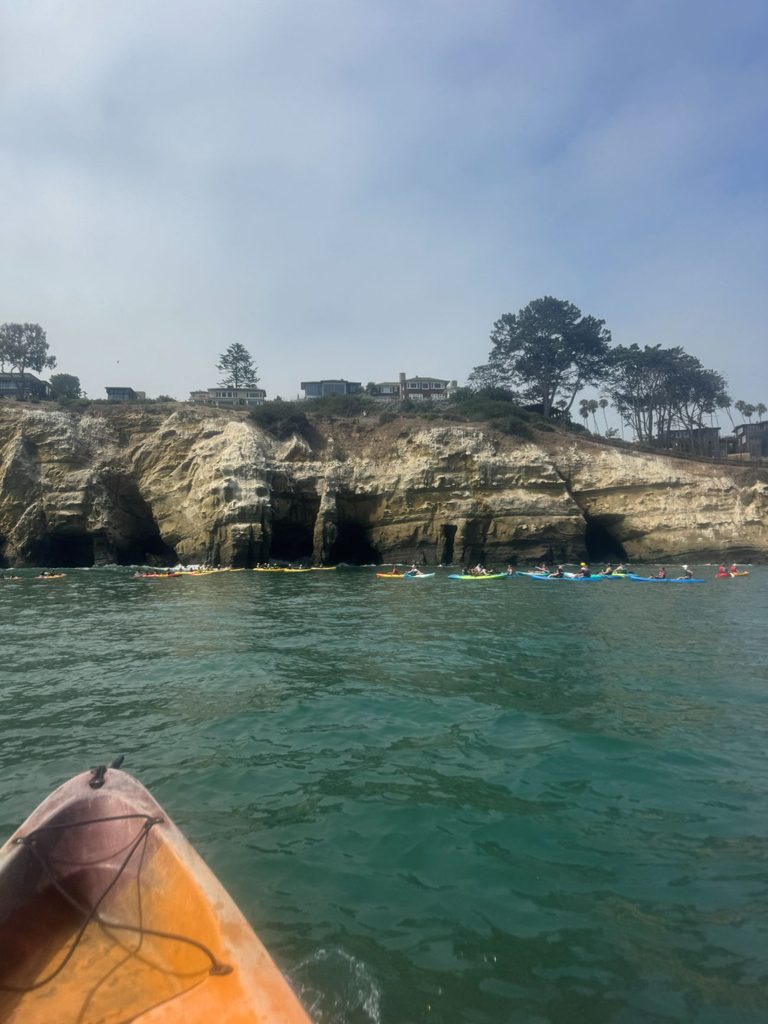
Now it was time to explore! We started off heading towards some cliffs. As we paddled over, we realized just how rough and choppy the ocean was. It didn’t help that in order to get to the cliffs we had to paddle parallel to the waves. This made some of the trip more treacherous. (Everything was fine, there was only a slight fear of tipping over.)
It was about this time that I stopped to check my blood sugar number. I got my phone out of the waterproof bag and checked my CGM reading. I was not low, but I wasn’t high enough to start a paddling excursion. Just to be sure I wouldn’t go low during this adventure I took a few glucose tablets. (As I said before, it’s always good to be prepared.)
Seasickness Begins
Shortly after that, I realized that I was starting to feel seasick. My partner wasn’t feeling too well either, but I definitely had it worse off. I used to work out on ships for weeks at a time and I would get seasick, so I know the feeling quite well. Never in my life had I gotten seasick in a kayak or canoe though. This was new to me, and I sure didn’t like it. I know the effects of going low and seasickness (see intro). So, I’m glad I already took some glucose tablets to prevent any lows.
Moving a bit slower than usual (thank you seasickness and waves) we made our way over to the cliffs. But just as we were getting close a humongous wave came. (It’s headed right for us!) We were not at a place where this wave would crash on us, but it did scare all of the kayakers. Everyone that was close to the cliffs quickly made their way away from them. No one wanted to get hurt or pushed off their kayaks and into the sea.
The Return Journey
It was about this time that we decided to slowly make out way back. We had already paddled about a mile, and it was a mile back. And with the ocean’s choppiness, it wasn’t going to be a quick trip. At first, we kept stopping to rest from the waves, but we soon realized that stopping made my seasickness worse.
The closer we got to shore the better I felt. It was about the time that we saw a dolphin swim right underneath us! My partner thought it could be a shark, but sadly it was only a dolphin. It soon came up to breathe air, which made it very clear to both of us that it was not a shark.
Will we Flip Our Kayaks?
On our way back to shore we both knew that flipping our kayaks and falling in was a real possibility. The waves were not small and if you don’t keep your kayak perpendicular to the waves (which isn’t easy), you flip.
My partner paddled in first, and when she was getting close to shore, I saw a big wave coming and looked like it would crash right on her. I yelled “look out!” right as the wave started to break. She flipped and ended up in the water. (My hope for not flipping is not getting any better.) I start to paddle in and surrendered my fate to the ocean. If I flip, I flip, and if I don’t, I don’t.
I’m paddling in and keeping my kayak perpendicular to the waves. I caught a wave and then noticed that the nose of my kayak is going underwater. This is when I knew I was done for. I flipped and ended up in the ocean. Before paddling in, I wrapped my waterproof bag strap around myself, just in case. And I’m sure glad I did. I didn’t want to lose this bag and the valuable medical supplies inside.
Safely Back on Land
Back on land, both of us are feeling a lot better. Even though we both felt sick, it was still fun to get out on the water.
I checked my blood sugar number when we got back, and it was within range! Thank you, past Emily, for taking glucose tablets to prevent yourself from going low. Sometimes diabetes things work out the way you want them too. This was one of those times. Let’s hope the next time goes just as smoothly.